
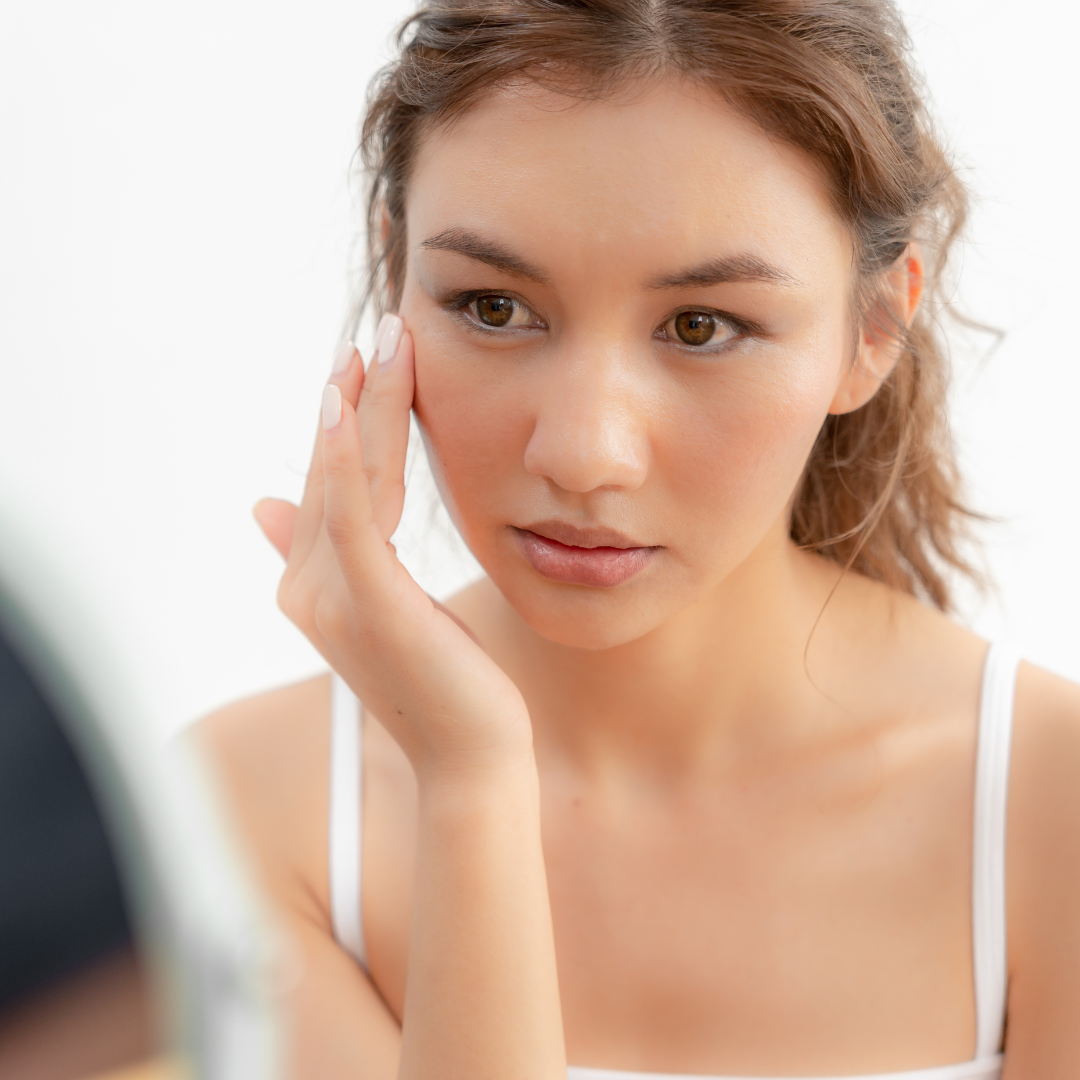
What is rosacea and how is it different from acne?
Rosacea is a chronic skin condition that causes persistent redness, flushing, and sometimes acne-like bumps. Unlike acne, it doesn’t involve clogged pores and is often triggered by heat, stress, or irritation. Because rosacea-prone skin is more sensitive, it typically requires a gentle, barrier-focused approach rather than aggressive acne treatments.
Rosacea is a common yet often misunderstood skin condition that affects millions of people, and many don’t realize they have it. Persistent redness, sensitivity, and flare-ups are frequently mistaken for acne or general skin irritation, leading to treatments that may actually worsen the condition.
During Rosacea Awareness Month, it’s important to understand what rosacea is, how to recognize it, and why a personalized, medically guided approach is essential for managing symptoms and protecting long-term skin health.
At ZO Skin Centre Dallas, our skin experts work closely with patients to accurately diagnose rosacea and develop customized treatment plans that support both skin health and aesthetic goals.
What Is Rosacea?
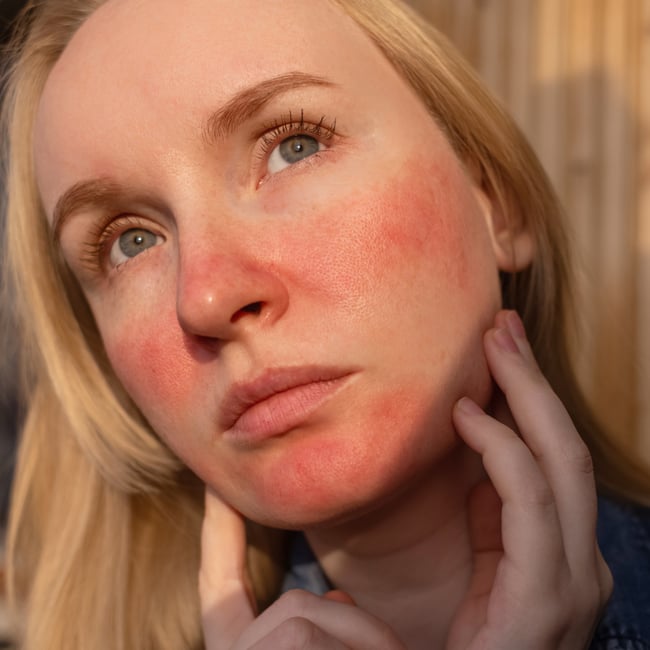
Rosacea is a chronic inflammatory skin condition that most commonly affects the central face. It can present in several ways, including:
- Persistent facial redness
- Visible blood vessels
- Flushing or sensitivity
- Bumps or breakouts that resemble acne
Because symptoms vary from person to person, rosacea is often misidentified, especially in its early stages.
Rosacea Flare-Ups: What Triggers Them?
One of the defining characteristics of rosacea is its tendency to flare. These flare-ups can be triggered by a variety of internal and external factors, including:
- Heat and sun exposure
- Stress
- Spicy foods or alcohol
- Skincare products that disrupt the skin barrier
- Aggressive exfoliation or treatments
Understanding your personal triggers is a key part of managing rosacea effectively. Without this insight, even well-intentioned treatments can lead to increased redness and irritation.
Redness vs. Acne: Why the Confusion Matters
A common challenge for patients is distinguishing between acne and rosacea.
Both conditions can involve:
- Redness
- Bumps or breakouts
- Inflammation
However, they require very different treatment approaches.
For example, someone searching for solutions to “breakouts” or “acne scars” may consider treatments like chemical peels. While these can be effective for true acne-related concerns, they are not always appropriate for rosacea-prone skin, especially without proper evaluation.
Misidentifying rosacea as acne can lead to:
- Increased irritation
- Worsened redness
- Compromised skin barrier function
This is why an expert diagnosis is critical before starting any corrective treatment plan.
Rosacea Treatment FAQs
What is the best treatment for rosacea in Dallas?
The best rosacea treatment depends on your specific symptoms and triggers. Most patients benefit from a combination of medical-grade skincare, prescription treatments, and in-office procedures like laser or light therapy to reduce redness and inflammation. A personalized consultation with a Dallas skin expert ensures the most effective, long-term results.
What triggers rosacea flare-ups?
Common rosacea triggers include sun exposure, heat, spicy foods, alcohol, stress, and harsh skincare products. However, triggers vary by person. Identifying and avoiding your specific triggers, while following a consistent treatment plan, can significantly reduce flare-ups and improve overall skin stability.
How do I know if I have rosacea or acne?
Rosacea often appears as persistent redness, visible blood vessels, and sensitivity, while acne typically includes blackheads, whiteheads, and clogged pores. Unlike acne, rosacea flare-ups are often triggered by environmental or lifestyle factors. A professional skin evaluation can accurately diagnose your condition and guide proper treatment.
Can rosacea be permanently cured?
Rosacea cannot be permanently cured, but it can be effectively managed. With the right combination of treatments and lifestyle adjustments, most patients see a significant reduction in redness, inflammation, and flare-ups. Ongoing care is key to maintaining long-term skin clarity and preventing worsening symptoms.
What treatments help reduce redness from rosacea?
Laser and light-based therapies are among the most effective treatments for reducing rosacea-related redness and visible blood vessels. These treatments target underlying inflammation and improve overall skin tone. Medical-grade skincare and prescription options may also be used to support results and prevent future flare-ups.
Is rosacea treatment painful?
Most rosacea treatments are well-tolerated with minimal discomfort. Laser and light therapies may cause a mild warming or snapping sensation, but treatments are typically quick and require little to no downtime. Your provider can adjust settings and recommend options to ensure your comfort throughout the process.
How long does it take to see results from rosacea treatment?
Some patients notice improvements within a few weeks, especially with topical treatments. In-office procedures like laser therapy often deliver visible results after one to three sessions. Full results typically develop over time as inflammation decreases and skin becomes more balanced.
When should I see a professional for rosacea?
You should seek professional care if you experience persistent redness, frequent flushing, visible blood vessels, or irritation that doesn’t improve with over-the-counter products. Early treatment can prevent symptoms from progressing and help you maintain healthier, more even-toned skin.
What is the best skincare routine for rosacea?
A rosacea-friendly routine should focus on strengthening the skin barrier while also helping to regulate excess sebum. This includes gentle cleansing, consistent hydration, and daily sun protection. Incorporating carefully selected active ingredients that support barrier repair and oil balance can be beneficial, but it’s important to avoid fragrances and other known irritants. Medical-grade products formulated for sensitive skin can further support barrier function, reduce inflammation, and promote long-term skin stability.
Where can I get rosacea treatment in Dallas?
Professional rosacea treatment is available at advanced medical spas and skin centers, like ZO Skin Centre. Choosing a provider with experience in treating sensitive and inflammatory skin conditions ensures a customized plan that addresses both symptoms and underlying triggers.

The Importance of Skin Barrier Repair
For individuals with rosacea, skin barrier health is the foundation of treatment.
When the barrier is compromised, the skin becomes more reactive to:
- Environmental stressors
- Skincare ingredients
- In-office treatments
A barrier-focused approach may include:
- Gentle, medical-grade skincare
- Hydration and lipid restoration
- Anti-inflammatory ingredients
- Gradual introduction of corrective treatments
Strengthening the skin barrier not only reduces flare-ups but also prepares the skin to better tolerate advanced treatments when appropriate.
Chemical Peels and Rosacea: When to Be Cautious
Chemical peels are a popular treatment for concerns like acne scars, discoloration, and uneven texture. However, for patients with rosacea, they must be approached with caution.
Aggressive or improperly selected peels can:
- Trigger inflammation
- Increase redness
- Disrupt an already sensitive skin barrier
That said, not all peels are off the table.
In some cases, carefully selected, superficial peels may be incorporated into a broader treatment plan, but only after:
- The skin barrier has been stabilized
- Inflammation is well-managed
- A professional has evaluated skin tolerance
This is where a customized approach makes all the difference.
Treatment Options for Rosacea
Effective rosacea treatment focuses on both managing symptoms and improving overall skin health. Depending on the severity and subtype, treatment plans may include:
- Medical-grade skincare to calm and strengthen the skin
- Laser or light-based therapies to reduce redness
- Lifestyle and trigger management
- Gradual introduction of corrective treatments when appropriate
Because rosacea is a chronic condition, consistency and personalization are key to achieving long-term results.
Personalized Care at ZO Skin Centre Dallas
Rosacea is not a one-size-fits-all condition, and neither is its treatment.
At ZO Skin Centre Dallas in Highland Park, every treatment plan begins with a comprehensive skin evaluation. Your provider will assess your symptoms, triggers, skin sensitivity, and aesthetic goals to develop a customized approach designed to improve both the health and appearance of your skin.
Whether you’re experiencing persistent redness, sensitivity, or are unsure whether your symptoms are acne or rosacea, the right diagnosis is the first step toward effective treatment.
Schedule a consultation with a ZO Skin Centre Dallas skin expert to receive a personalized plan tailored to your skin and your goals.

-1.png?width=352&name=ZO%20Blog%20Post%20Images%20(4)-1.png)