
Mineral sunscreen uses zinc oxide and titanium dioxide to form a protective barrier on the skin's surface that deflects UV rays, while chemical sunscreens absorb into the skin and convert UV radiation into heat. Mineral formulas start working immediately, are gentler on sensitive skin, and are the only sunscreen actives the FDA currently recognizes as both safe and effective.
If you've shopped for sunscreen lately, you've probably noticed the word "mineral" appearing on more and more labels. It's not just marketing language. Mineral sunscreens work fundamentally differently from the sunscreens many of us grew up with, and understanding that difference can help you choose the right protection for your skin.
What Is Mineral Sunscreen?
Mineral sunscreen (sometimes called physical sunscreen) is sun protection made with two naturally occurring mineral ingredients, zinc oxide and titanium dioxide, that sit on the surface of the skin and act as a shield, absorbing and deflecting ultraviolet radiation before it can penetrate and damage skin cells.
Both ingredients have a long safety track record. In fact, zinc oxide and titanium dioxide are the only two sunscreen active ingredients the FDA currently designates as GRASE ("generally recognized as safe and effective") based on the available data.

How Does Mineral Sunscreen Compare to Chemical Sunscreen?
Chemical sunscreens absorb into the upper layers of the skin, where filters like avobenzone, oxybenzone, octinoxate, and homosalate soak up UV radiation and convert it into heat that dissipates from the body, a fundamentally different mechanism from mineral formulas, which stay on the surface.
Both types protect against sun damage when used correctly, but there are meaningful differences worth knowing:
Gentleness. Because mineral filters sit on top of the skin rather than absorbing into it, they're far less likely to cause stinging, redness, or irritation. Dermatologists frequently recommend mineral formulas for sensitive skin, rosacea-prone skin, post-procedure skin, and children.
Immediate protection. Mineral sunscreen starts working the moment it's applied, while chemical sunscreens generally need 15 to 30 minutes to absorb and become fully effective.
Environmental considerations. Certain chemical filters, particularly oxybenzone and octinoxate, have been linked to coral reef damage and are banned in destinations like Hawaii and Key West. Mineral formulas are generally considered the reef-safer choice.
Heat and eye comfort. Because chemical filters convert UV rays to heat, some people, particularly those with melasma or heat-sensitive skin conditions, find mineral formulas more comfortable. Mineral formulas are also less likely to migrate and sting the eyes during sweaty workouts.
The traditional knock on mineral sunscreen was cosmetic: older formulas were thick, chalky, and notorious for leaving a white or gray cast, especially on medium and deep skin tones. That drawback kept many people reaching for chemical formulas, or worse, skipping sunscreen altogether. Fortunately, formulation science has come a long way.

What Makes Tinted Mineral Sunscreen Different?
Tinted mineral sunscreens add iron oxides and skin-tone-matched pigments to the classic zinc oxide and titanium dioxide base, which eliminates the white cast and adds protection against high-energy visible (HEV) light (the blue light emitted by the sun and screens that research has linked to hyperpigmentation, particularly in deeper skin tones.)
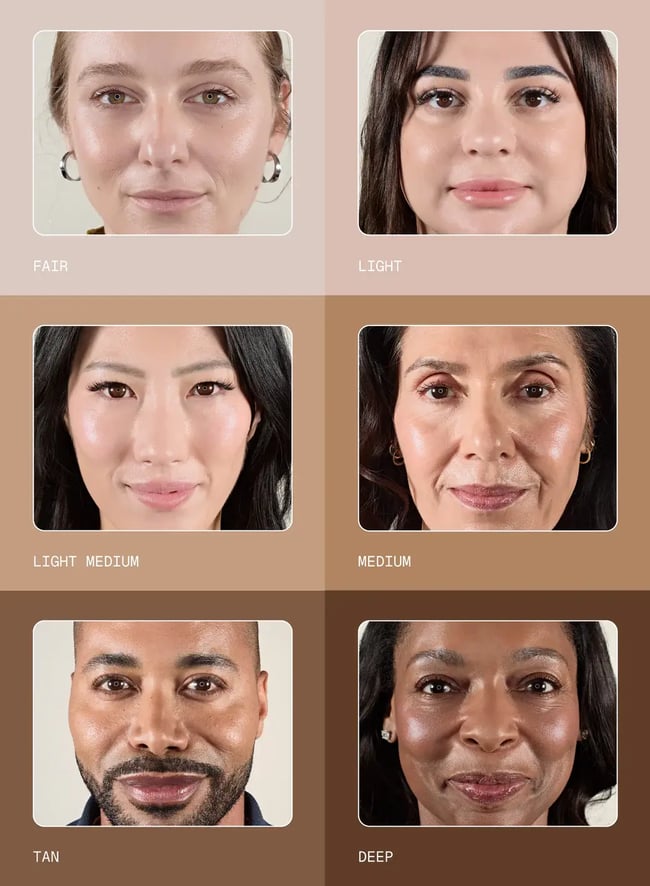
A good example of this evolution is ZO Skin Health's Daily Mineral SunShade Broad-Spectrum SPF 45. It's an all-mineral formula built on zinc oxide and titanium dioxide, offered in six shades designed to match a range of skin tones. The coverage is buildable: sheer enough to disappear on no-makeup days, but layerable when you want it to even out and smooth skin tone the way a light foundation would. Shades can even be mixed for a custom match.
Beyond UVA and UVB defense, the formula protects against HEV light and infrared (IR-A) rays, and it includes ZO's 12-hour antioxidant complex to help defend against environmental stressors and support the skin's recovery after sun exposure. Hydrators like squalane and glycerin keep the finish comfortable rather than chalky or drying, a deliberate answer to the texture complaints that gave mineral sunscreen its old reputation.
The skincare press has taken notice, too. In a recent NewBeauty review titled "My Go-To Daily Sunscreen Is Also My Favorite Summer Foundation," one editor described how the tinted formula pulls double duty in warmer months, providing daily sun protection while replacing heavier complexion makeup.
How Should You Use Sunscreen for Best Results?
The best sunscreen is the one you'll actually wear every day. Dermatologists agree that consistency matters more than formula type. Daily UV exposure, even incidental exposure through car windows and on cloudy days, is the single biggest driver of premature skin aging and the primary preventable risk factor for skin cancer.
A few habits make any sunscreen work harder for you:
Apply generously. Most people use far less than the amount needed to achieve the SPF on the label. For the face and neck, aim for about a quarter teaspoon, applied as the final step of your morning routine.
Reapply: Reapply at least every two hours when you're spending time outdoors, and more often after swimming or sweating.
Pair sunscreen with other protective measures: seek shade during peak hours (roughly 10 a.m. to 2 p.m.), and reach for hats and sunglasses when you'll be outside for extended stretches.
Mineral sunscreen has shed its chalky past and earned its place as a daily essential...gentle enough for the most reactive skin, effective from the moment it goes on, and, in its newest tinted iterations, genuinely pleasant to wear. That combination is exactly what makes daily sun protection sustainable, and sustainability is what keeps skin healthy for the long run.

Frequently Asked Questions
Is mineral sunscreen better for sensitive skin?
Generally, yes. Because zinc oxide and titanium dioxide sit on the skin's surface rather than absorbing into it, mineral sunscreens are much less likely to cause stinging, burning, or irritation. Dermatologists routinely recommend them for sensitive, rosacea-prone, acne-prone, and post-procedure skin.
Does mineral sunscreen leave a white cast?
Older formulas often did, but modern tinted mineral sunscreens have largely solved this. Formulas offered in multiple shades, such as ZO Skin Health's Daily Mineral SunShade, available in six buildable shades, blend into a range of skin tones without a chalky or gray finish.
Do I need sunscreen on cloudy days or indoors?
Yes. Up to 80% of UV rays penetrate cloud cover, and UVA rays pass through window glass. Daily application (regardless of weather or plans) is what protects against cumulative photoaging and skin cancer risk.
How much sunscreen should I apply to my face?
About a quarter teaspoon for the face and neck. Most people apply only 25–50% of the amount needed to achieve the labeled SPF, which is why generous application and regular reapplication (at least every two hours outdoors) matter so much.